Why I Want to Answer Your Dermaplaning Questions
Dermaplaning is a gentle yet effective treatment, but it often comes with questions and misconceptions. I believe understanding what dermaplaning is—and what it isn’t—helps you feel confident and comfortable before your appointment. Every skin type is different, and knowing whether dermaplaning is right for you is an important part of achieving safe, beautiful results.
By answering these common questions, my goal is to educate, set clear expectations, and help you make informed decisions about your skincare. When you understand the process and proper aftercare, you’re better prepared to enjoy the benefits of smoother, brighter, healthier-looking skin.
— Diane Shadgett
Licensed Esthetician
-
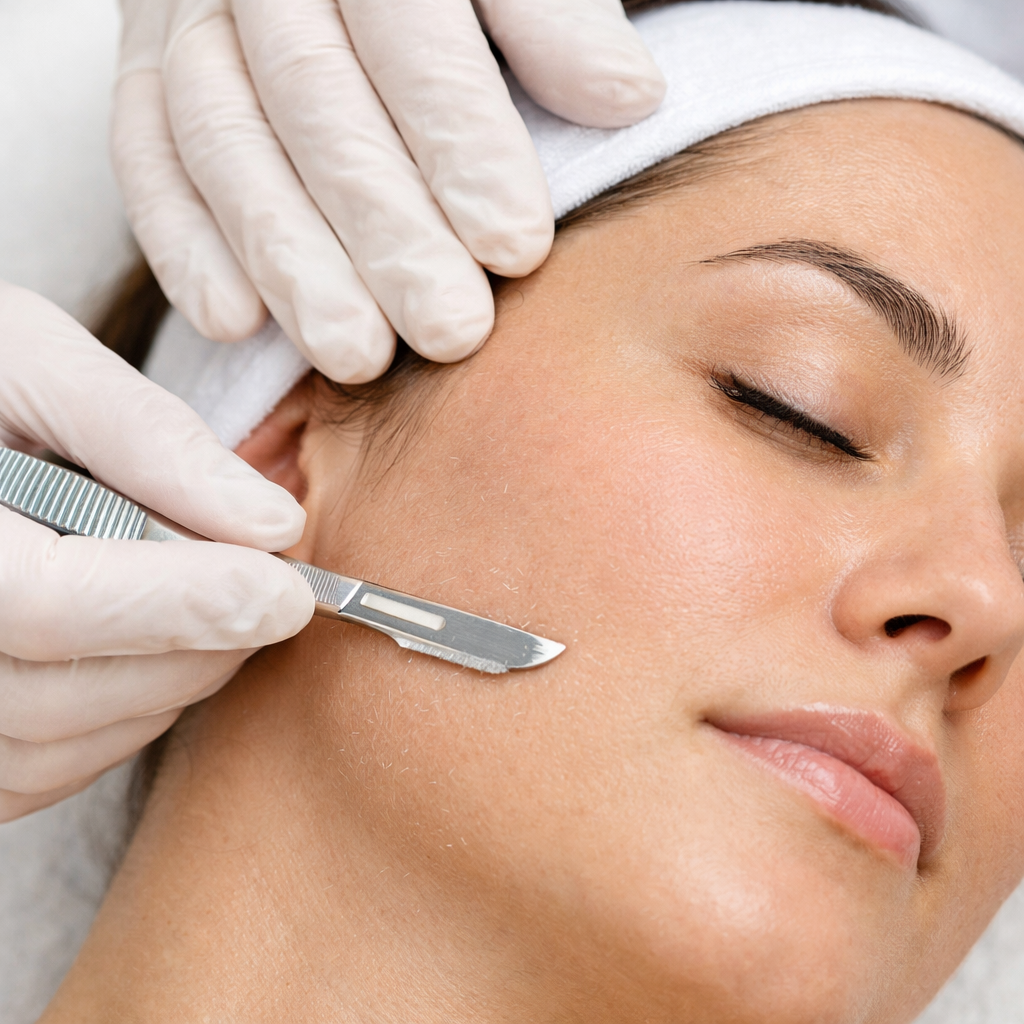
Dermaplaning is a professional exfoliation treatment that uses a sterile surgical blade to gently remove dead skin cells and fine vellus hair (peach fuzz). This leaves the skin smoother, brighter, and allows skincare products to absorb more effectively.
-
No. Dermaplaning does not change hair color, thickness, or growth rate. The hair grows back naturally, just as it was before treatment.
-
Dermaplaning is suitable for most skin types, especially those experiencing dullness, dryness, or rough texture. It may not be recommended for active acne or certain skin conditions, which is why a professional consultation is important.
-
Dermaplaning can typically be performed every 3–4 weeks, depending on your skin type and goals. Regular treatments help maintain smooth texture and a healthy glow.
-
There is little to no downtime. You may experience mild redness immediately after treatment, which usually subsides within a few hours.
-
Professional dermaplaning ensures proper technique, sanitation, and skin assessment. This reduces the risk of irritation or injury and allows the treatment to be safely customized for your skin.
-
Is home care important after dermaplaning?
Still Have questions about Dermaplaning? Book your free consultation today.